
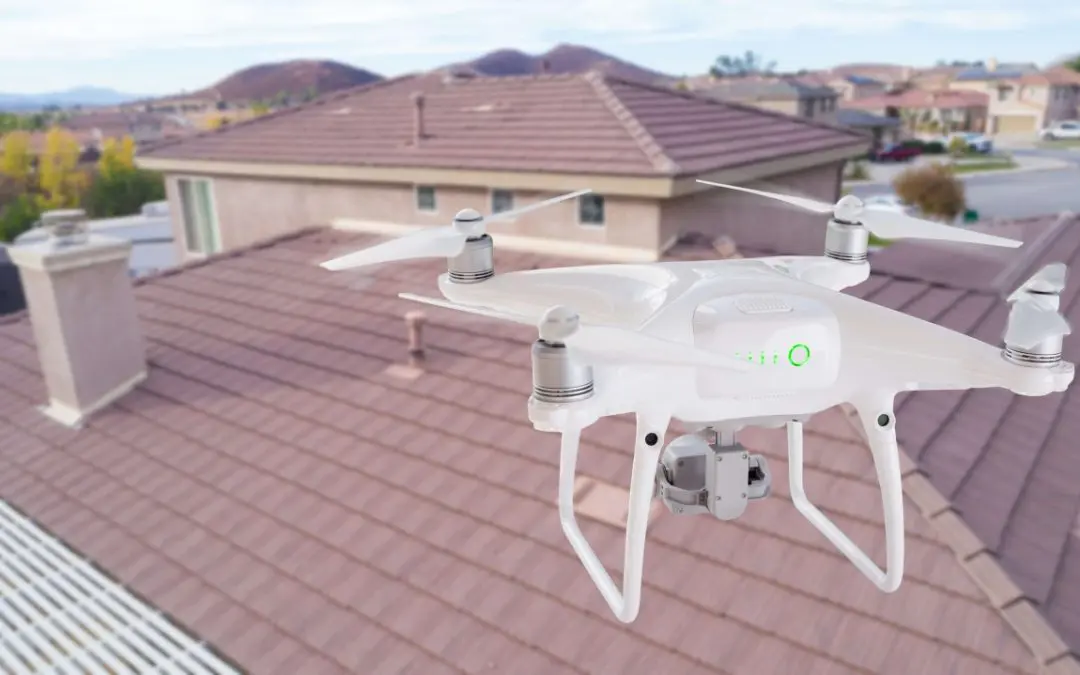
Drone roof inspections have transformed the way homeowners and homebuyers evaluate roof conditions. Traditionally, roof inspections required climbing ladders or scaffolding, presenting safety risks and often limiting the inspector’s perspective. With drone technology, inspections are faster, safer, and more comprehensive, providing a detailed view of a roof’s condition without unnecessary hazards. Understanding how drone roof inspections work and their value will help homeowners make informed decisions about maintenance, repairs, and home purchases.
How Drone Roof Inspections Work
Drone roof inspections involve using a remote-controlled drone equipped with a high-resolution camera to capture detailed images and videos of a roof. Inspectors operate the drone from the ground, maneuvering it over the roof’s surface to identify damage, wear, or other issues. This technology allows for angles and perspectives that are often impossible or unsafe to achieve with traditional methods. Drone inspections not only capture the surface condition but may also highlight subtle problems like loose shingles, water pooling, or damage caused by storms.
Benefits of Drone Roof Inspections for Homebuyers
For homebuyers, drone roof inspections provide a clear understanding of a property’s condition before purchase. Roofs are a significant investment, and hidden damage can lead to costly repairs in the future. By using drones, buyers will receive a comprehensive report on the roof’s condition, including photos, videos, and notes from a professional inspector. Safety is another advantage. Inspecting a roof in person can be risky, especially on steep or damaged roofs. Drone inspections eliminate the need for anyone to climb the roof, reducing the chance of accidents while still providing detailed information.
Additionally, drone inspections are often quicker than traditional methods. What might take hours using ladders and scaffolding can now be completed in a fraction of the time, making the process more efficient for homebuyers, sellers, and real estate professionals.
Key Elements Evaluated During Drone Inspections
Drone inspections focus on identifying common roofing concerns. Inspectors look for missing, cracked, or loose shingles, signs of aging, and areas where water may collect. Damage caused by storms, such as hail or fallen branches, is also documented. Flashing around chimneys, vents, and skylights is evaluated for signs of wear or leaks. For buyers of older homes, drones may reveal areas that may require near-term maintenance or repairs, helping to inform budget planning and negotiations. The high-resolution imagery ensures that even minor issues are visible, providing a level of detail that traditional inspections sometimes miss.
Why Professional Roof Inspections Are Important
While drones are accessible tools, professional roof inspections ensure accurate assessment and proper documentation. Certified inspectors understand how to interpret the images, identify potential problems, and provide recommendations for repairs or maintenance. Professional inspections also include a detailed report that outlines the roof’s condition, often accompanied by side-by-side comparisons of current damage and previous conditions, if available. This documentation could be valuable for insurance purposes, maintenance planning, or during a real estate transaction.
Maintenance and Insurance
Drone inspections aren’t just for homebuyers. Homeowners can use them as part of routine maintenance to monitor the condition of their roof over time. Regular inspections can catch small issues before they become major problems, extending the lifespan of the roof. Insurance companies may also request drone inspection reports following storm damage to verify claims efficiently and safely.
Drone roof inspections have modernized how homeowners and homebuyers evaluate one of the most important components of a property. They provide a safer, faster, and more detailed way to assess roof conditions, detect hidden damage, and plan for maintenance or repairs. By leveraging drone technology, homeowners will protect their investment and ensure their roof remains in optimal condition.
Frequently Asked Questions (FAQs)
How often should a home have a roof inspection?
While it depends on the age and condition of the roof, many homeowners benefit from annual roof inspections or after severe weather events.
Are drone roof inspections safe for all types of roofs?
Yes. Drone inspections are non-intrusive and will safely capture images of steep, high, or otherwise difficult-to-access roofs without risk to the inspector or homeowner.
Can drones detect leaks or hidden water damage?
Yes. Some drones are equipped with thermal imaging cameras that can detect moisture beneath shingles or roofing materials, helping identify hidden leaks.
How long does a typical drone inspection take?
Drone inspections are usually faster than traditional methods. Most residential roof inspections can be completed in 30 to 60 minutes, depending on roof size and complexity.
Do I still need a traditional roof inspection after a drone assessment?
Drone inspections are highly effective, but a hands-on inspection may still be recommended for certain repairs or to verify issues identified in drone imagery.
Bronze Star Home Inspections offers drone roof inspections in the Dallas-Fort Worth Metroplex. If you’re buying or selling a home, contact us to request an appointment.