
A home should be a place of comfort and safety, but many properties contain hidden health hazards that can impact well-being over time. From poor air quality to unnoticed moisture problems, these issues often develop quietly and go undetected until they begin to affect daily life. Understanding the most common health hazards in the home is essential for maintaining a safe environment and preventing long-term problems that are far more costly to address than they would have been to prevent.
The Most Common Health Hazards Found in Homes
Many health hazards are not immediately visible, which makes them easy to overlook and dangerous to ignore. Indoor air quality is one of the most frequently underestimated concerns, dust, pet dander, mold spores, and airborne pollutants accumulate over time, especially in poorly ventilated spaces, and may trigger allergies, respiratory issues, and chronic discomfort. Regular cleaning, proper ventilation, and consistent HVAC maintenance are the most effective ways to keep indoor air quality at a healthy level.
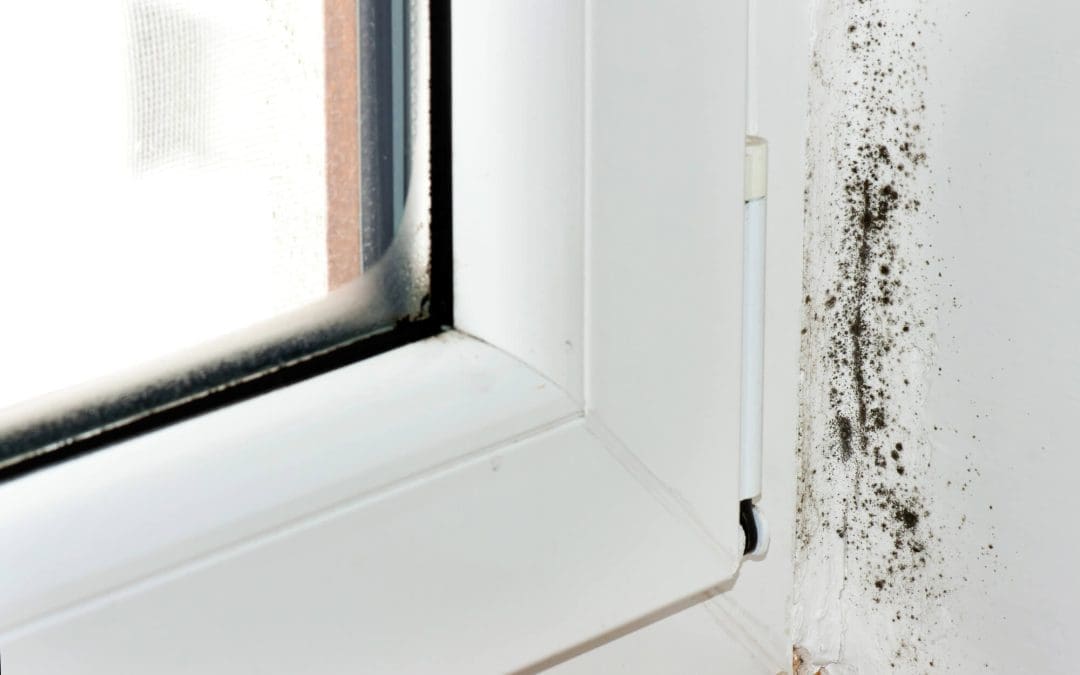
Moisture and mold deserve particular attention. Excess moisture from leaks, high humidity, or poor drainage creates ideal conditions for mold growth, and mold spreads quickly once established, often inside walls and beneath flooring where it’s invisible until the problem is significant. Keeping humidity levels between 30 and 50 percent, fixing leaks promptly, and running exhaust fans in bathrooms and kitchens are all critical steps toward preventing mold from becoming a serious indoor health hazard.
Chemical exposure from everyday household products is another commonly overlooked risk. Many cleaning and maintenance products contain compounds that affect indoor air quality and cause irritation to the eyes, skin, and respiratory system when used improperly or in poorly ventilated spaces. Choosing low-VOC or natural alternatives and always following product usage instructions significantly reduces this type of exposure.
Structural and Maintenance-Related Health Hazards
Beyond environmental factors, certain structural and maintenance issues create health hazards that can be equally serious. Faulty wiring, overloaded outlets, and outdated electrical systems increase fire risk and compromise overall home safety. These issues rarely announce themselves clearly, flickering lights, frequently tripped breakers, or outlets that feel warm to the touch are often the only warning signs. Regular electrical inspections and timely upgrades are essential to keeping these hazards under control.
Pest infestations are another structural concern that directly impacts health. Rodents and insects contaminate food, spread bacteria, damage wiring and insulation, and create unsanitary conditions that are difficult to fully remediate without professional intervention. Sealing entry points, maintaining a clean home, and addressing infestations quickly prevents the problem from compounding over time.
Older homes may also contain hazardous materials like lead-based paint or deteriorating insulation that pose significant health risks. These materials are often harmless when undisturbed, but renovations or aging may cause them to become airborne. Professional testing and safe removal, when necessary, are the appropriate responses to these types of health hazards.
Preventing Hazards Through Regular Maintenance
Prevention is consistently the most effective and affordable strategy for managing hazards in the home. Scheduling routine professional inspections allows potential problems to be identified and addressed before they escalate. A trained inspector can spot moisture intrusion, ventilation deficiencies, electrical concerns, and structural issues that are easy to miss during a casual walkthrough.
Good ventilation is one of the simplest and most impactful things a homeowner can maintain. Proper airflow controls moisture levels, dilutes indoor pollutants, and reduces the conditions that allow mold and bacteria to thrive. Ensuring HVAC systems are serviced regularly and that exhaust fans in bathrooms and kitchens are functioning correctly goes a long way toward keeping indoor air clean and healthy year-round.
A clean, well-organized home is also significantly less likely to harbor dust, mold, or pests. Consistent cleaning routines combined with prompt attention to any signs of water damage or pest activity, create a home environment that actively works against the development of health hazards rather than allowing them to quietly take hold.
Frequently Asked Questions (FAQs)
What are the most common health hazards found in homes?
The most prevalent include poor indoor air quality, mold and excess moisture, chemical exposure from household products, faulty electrical systems, pest infestations, and hazardous materials like lead-based paint in older homes.
How can I improve indoor air quality to reduce health hazards?
Improve ventilation, change HVAC filters regularly, vacuum with a HEPA filter, reduce the use of products with harsh chemical fumes, and keep humidity levels between 30 and 50 percent. These steps collectively make a significant and measurable difference in indoor air quality.
Is mold always a serious health hazard?
Mold can become a serious concern if left untreated. Even without visible symptoms, prolonged exposure to mold spores affects air quality and overall health. Early detection and professional remediation are strongly recommended.
How often should a home be inspected for hazards?
A professional inspection at least once a year is recommended, along with regular self-checks for visible signs of leaks, mold, pest activity, or electrical concerns.
Bronze Star Home Inspections offers home inspections in the Dallas-Fort Worth Metroplex. If you’re buying or selling a home, contact us to request an appointment.