
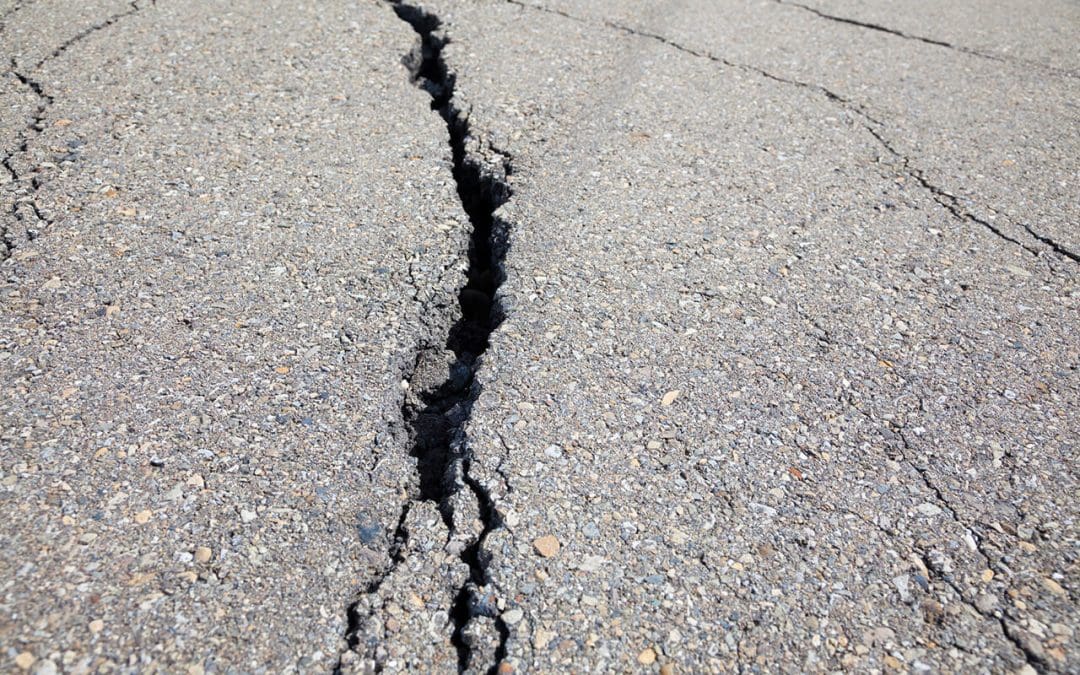
Driveway problems are among the most visible forms of home deterioration and among the most frequently deferred because they don’t feel urgent. But a driveway that’s cracking, heaving, or developing potholes is actively getting worse, and the cost to address driveway problems early is almost always a fraction of the cost after they’ve progressed. Understanding what’s causing the specific problems in your driveway and which repair approaches match each condition is what allows homeowners to make cost-effective decisions rather than deferring too long or over-investing in repairs that don’t address the root cause.
Identifying and Addressing the Most Common Driveway Problems
Driveway issues fall into a predictable set of categories, and the right repair approach depends on correctly identifying which applies. A crack treated the same way as a pothole, or heaving addressed without understanding why it’s happening, produces repairs that fail prematurely. Cracking is the most common driveway problem across all surface types. In asphalt driveways, hairline cracks are typically the result of UV oxidation, the binder dries out over time, losing flexibility. These surface cracks can be sealed with liquid crack filler before they widen and allow water infiltration. Wider cracks often indicate sub-base movement and warrant more thorough assessment before sealing. In concrete driveways, random cracking suggests shrinkage or base settling, while linear cracking along control joints is typically normal and managed with joint sealant.
Potholes develop when water enters existing cracks, infiltrates the base material, and weakens. The visible pothole is the surface expression of a base failure beneath it. Patching a pothole without addressing the base produces a patch that will fail again quickly. Proper repair involves removing deteriorated material down to stable base, compacting, and filling with patching material in layers.
Heaving and Drainage: The Structural Driveway Problems
Heaving, sections of driveway that have lifted or shifted out of plane, is one of the driveway problems that most clearly indicates a condition beneath the surface. In cold climates, heaving is almost always related to moisture in the subgrade freezing and expanding. In warmer climates, tree root intrusion is the most common cause. Heaving caused by frost is addressed most reliably by improving drainage around and beneath the driveway, reducing the moisture available to freeze. Surface-level patching of frost-heaved driveways is a temporary fix; the heaving will recur as long as the drainage condition remains unaddressed. Tree root heaving requires root removal and slab repair, or in significant cases, root barrier installation and resurfacing. Standing water pooling on the driveway surface indicates either a grading problem or a drainage system failure. Driveway issues caused by poor drainage affect both the surface and the foundation areas adjacent to it, addressing them protects more than just the driveway.
When to Repair Versus Replace
The repair-versus-replace decision is the most financially significant question in addressing driveway problems, and age and overall condition matter as much as the specific issues present. An asphalt driveway in its first half of its service life, the first ten to fifteen years, with isolated cracking is a repair and seal-coat candidate. A driveway in the second half of its service life with widespread cracking, significant oxidation, and multiple problem areas is typically a replacement candidate, because comprehensive repair costs approach replacement costs while producing a result that won’t last as long as new pavement. For concrete driveways, the same principle applies, but the timeline extends; concrete lasts significantly longer than asphalt. Isolated cracking is repairable for many additional years; widespread structural cracking, heaving, or surface spalling across most of the area signals replacement.
Frequently Asked Questions (FAQs)
How do I know if my driveway requires professional repair or can be DIY?
Surface crack sealing, small pothole patching, and seal coating are within DIY capability. Professional involvement is warranted for heaving or settling that indicates subgrade issues, large areas requiring base repair, drainage problems requiring grading correction, and any significant concrete removal and replacement. Professional assessment is also worth getting before investing DIY effort in a driveway near the end of its service life, where replacement may be the better answer.
What causes asphalt driveways to crack and how can I prevent it?
Asphalt cracks from UV oxidation that dries out the binder, combined with stress from vehicle loads and temperature cycling. Prevention focuses on sealing the surface before cracking develops and resealing every three to five years. Addressing any crack promptly prevents the cascade of damage that begins when water reaches the base material.
How long do driveway repairs typically last?
It depends on repair quality and whether the root cause was addressed. A properly executed pothole repair on a sound base can last five to ten years. A patch applied over deteriorated base material may fail within one to two seasons. Crack sealing on an oxidized but sound asphalt surface lasts three to five years before reapplication. Repairs that address the full depth of the problem last significantly longer than those that address only the visible surface.
What is the best time of year to repair driveway problems?
Warm weather is the optimal window for asphalt repairs and seal coating. Most products require a minimum temperature of 50°F to cure properly; cold-weather application produces repairs that don’t bond well. Concrete repair products have similar temperature requirements. Planning driveway repairs for late spring through early fall produces the most durable results.
Bronze Star Home Inspections offers home inspections in the Dallas-Fort Worth Metroplex. If you’re buying or selling a home, contact us to request an appointment.