
Every homeowner knows the feeling: a strange noise, a damp patch on the ceiling, a crack that wasn’t there last month. Some home repairs are minor inconveniences; others can drain a savings account overnight. Knowing which expensive home repairs are most likely to blindside you is one of the smartest things a homeowner can do.
Why Understanding Expensive Home Repairs Matters
Home repairs don’t come with a schedule. They arrive when the weather turns, when systems age out, or when deferred maintenance finally catches up. The most expensive home repairs tend to share a common trait: they involve systems that are hidden from view, difficult to access, and critical to the structural integrity of the home. By the time visible symptoms appear, the damage is often already significant. Building an emergency fund for home repairs is the single best buffer against financial shock. Pair that with regular inspections and proactive maintenance, and you dramatically reduce both the likelihood and severity of the repairs covered here.
Foundation Repairs Can Run Into Six Figures
Foundation problems are among the most expensive home repairs a homeowner could face. Signs include sticking doors and windows, visible cracks in walls or floors, uneven flooring, and gaps around exterior frames. When caught early, some issues can be addressed for a few thousand dollars. Left unaddressed, the same problems could escalate to $20,000 to $100,000 or more. The best defense is moisture management. Most foundation problems are driven by water from poor drainage, inadequate grading, or failing gutters that allow water to pool against the foundation. Keeping water away from the foundation is the most cost-effective preventative measure available.
Roof Replacement Is One of the Most Expensive Home Repairs
A failing roof is one of the most expensive home repairs in both frequency and cost. Depending on home size and material, a full replacement typically runs $8,000 to $25,000, before accounting for any structural damage from undetected water intrusion. Most asphalt shingle roofs last 20 to 30 years. The key to avoiding premature replacement is regular inspection and addressing minor issues like missing shingles or damaged flashing before they allow water to work its way into the structure below.
Plumbing and Sewer Line Failures
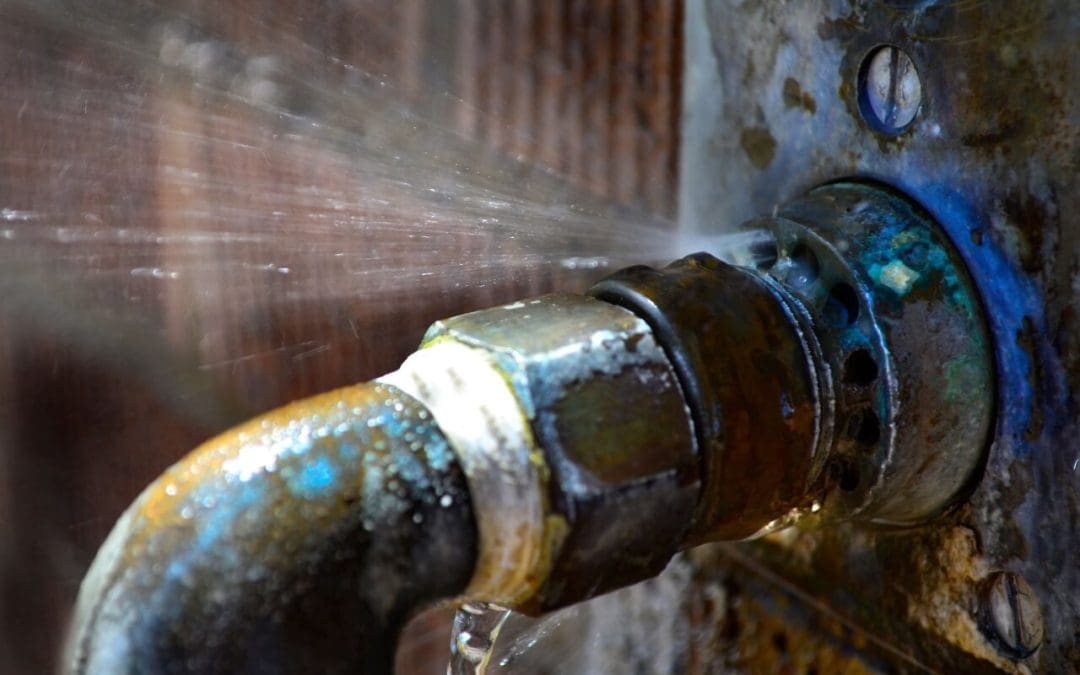
Major plumbing failures, such as burst pipes, failed water heaters, and sewer line collapses, represent some of the most common and expensive home repairs homeowners encounter. A burst pipe may cause extensive water damage before it’s detected, with repair and remediation costs easily reaching $10,000 or more. A full sewer line replacement can run $5,000 to $25,000, depending on depth and access. Older homes with cast iron or clay pipes are particularly vulnerable. A sewer scope inspection can identify root intrusion or pipe deterioration before they become emergencies. Insulating pipes against freezing, replacing aging water heaters proactively, and knowing where your main shutoff is located are all simple precautions with outsized protective value.
HVAC System Replacement
A full HVAC replacement is a significant expense most homeowners encounter at least once, typically ranging from $5,000 to $15,000 or more. Unlike a sudden roof leak, HVAC systems usually give warning signs first: unusual noises, inconsistent temperatures, rising energy bills, and increasingly frequent repair calls. Annual professional servicing extends system life significantly and identifies developing issues before they become expensive home repairs. Most HVAC systems last 15 to 25 years; planning for replacement before a system fails gives you time to budget and choose wisely rather than making a rushed decision during a heat wave or cold snap.
Frequently Asked Questions (FAQs)
What is the single most expensive home repair a homeowner is likely to face?
Foundation repair has the highest potential cost, with severe cases running $50,000 to $100,000 or more. Roof replacement and full HVAC replacement are the most frequently encountered expensive home repairs by volume. Actual costs depend heavily on severity, home size, and how long the issue went unaddressed.
How much should homeowners set aside for repairs each year?
The one to two percent rule is the widely cited benchmark. Older homes typically fall at the higher end of that range. A dedicated home repair savings account separate from general emergency funds is the most effective approach.
Can home insurance cover expensive home repairs?
Homeowner’s insurance typically covers sudden, accidental damage. It generally does not cover deferred maintenance, gradual deterioration, or normal wear and tear. Flood and earthquake damage require separate policies. Understanding exactly what your policy covers is an important part of financial planning for homeownership.
What’s the best way to avoid expensive home repairs?
Consistent preventative maintenance is the most effective strategy. Annual inspections of the roof, HVAC, plumbing, and foundation, along with prompt attention to minor issues, prevent the majority of major repair costs. Keeping gutters clear, managing moisture around the foundation, and scheduling a sewer scope every few years are among the highest-return habits available.
Should I get a home inspection even if I’ve lived in the house for years?
Absolutely. A periodic inspection helps identify developing issues before they become visible or symptomatic. Scheduling one every five to ten years, or before major renovations, gives you a current picture of your home’s condition and a roadmap for addressing problems before they become expensive home repairs.
Bronze Star Home Inspections offers home inspections in the Dallas-Fort Worth Metroplex. If you’re buying or selling a home, contact us to request an appointment.