
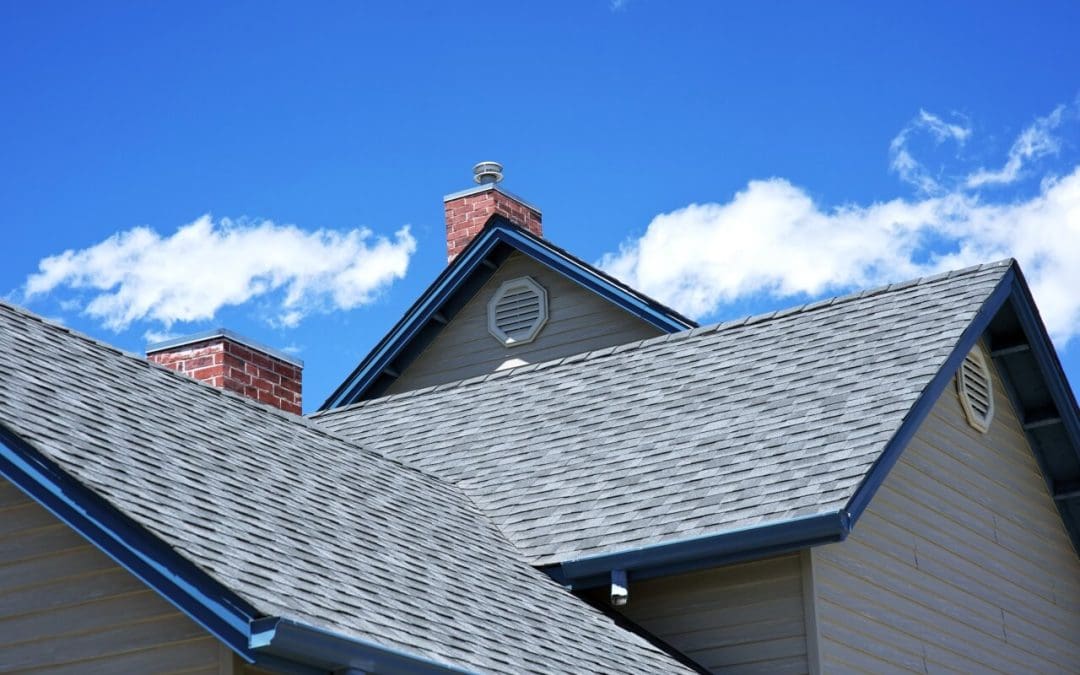
Your roof is the single most important protective element of your home. Maintaining your roof proactively isn’t complicated, but it requires intention: a schedule, a willingness to get up there or hire someone who will, and an understanding of what to look for before small issues become expensive ones. A well-maintained roof protects everything beneath it; a neglected one is one of the most costly surprises residential homeownership has to offer.
Why Maintaining Your Roof Proactively Saves Significant Money
The math on roof maintenance versus roof repair is straightforward. Most roofing materials have a rated lifespan of 20 to 50 years, depending on the product and climate, but that lifespan assumes reasonable maintenance. Roofs that go uninspected and unmaintained routinely fail years ahead of their rated life, not because materials wore out, but because small problems were left unaddressed until they caused structural damage. Water is the primary enemy of any roof system, and it finds every vulnerability given enough time. Maintaining your roof is fundamentally about staying ahead of water infiltration at every potential entry point. The cost of an annual inspection and minor repairs is measured in hundreds of dollars. The cost of a roof that has failed prematurely is measured in tens of thousands.
Inspection: The Foundation of Maintaining Your Roof
You can’t address problems you haven’t identified, and roof inspection is the first and most important maintenance habit. At a minimum, inspect your roof twice per year, once in spring after winter weather stress, and once in fall before winter arrives. Add an inspection after any significant weather event. A ground-level inspection with binoculars catches many obvious issues, such as missing or curling shingles, visible damage to ridge caps, debris accumulation, and flashing problems. An up-close inspection by a licensed roofing contractor provides a more thorough assessment. The inside of the attic is as important as the outside. Staining on rafters or sheathing, daylight visible through the roof deck, or active moisture tells you that maintaining your roof has already fallen behind, and immediate attention is warranted.
Gutters, Flashing, and the Details That Matter Most
Maintaining your roof extends beyond the shingles themselves to the components that work with the roof to manage water. Gutters are directly connected to roof health; clogged gutters cause water to back up under the roofline, saturate the fascia, and create conditions for ice dams in cold climates. Clean gutters at least twice per year and check that downspouts direct water well away from the foundation. Flashing, the metal material that seals intersections between the roof and vertical surfaces like chimneys, skylights, and dormers, is where the majority of roof leaks originate. Flashing cracks, separates, and deteriorates over time, allowing water directly into interior wall or ceiling assemblies, where it does damage long before becoming visible. Inspecting all flashing areas carefully and resealing or replacing deteriorated sections is one of the highest-value roof maintenance tasks available.
Addressing Moss, Algae, and Debris on Your Roof
Moss retains moisture against shingles and accelerates their deterioration significantly. Algae creates the dark streaking commonly seen on asphalt shingles in humid climates. While more cosmetic than moss, severe growth can eventually degrade shingle surfaces. A gentle wash with a low-pressure garden hose and diluted bleach solution addresses both without damaging shingles the way pressure washing can. Zinc or copper strips installed near the ridge line release ions that inhibit organic growth below, providing ongoing prevention between cleanings. Tree branches overhanging the roof should be trimmed back; they deposit debris, abrade shingles during wind events, and provide wildlife access to the roof. Maintaining clearance of at least six to ten feet between overhanging branches and the roof surface significantly reduces debris accumulation and animal access.
Frequently Asked Questions (FAQs)
How often should I have my roof professionally inspected?
A professional inspection every one to three years is appropriate for most homes, with annual inspections warranted for older roofs within ten years of their estimated end of life and for homes in severe weather climates.
What are the signs that my roof needs immediate attention?
Interior signs include water staining on ceilings or walls, visible daylight through the attic, or active dripping during rain. Exterior signs include missing or damaged shingles, compromised flashing, granule accumulation in gutters indicating shingle wear, sagging areas on the roof deck, and significant moss or algae growth.
How long should an asphalt shingle roof last with proper maintenance?
A quality architectural asphalt shingle roof has a rated lifespan of 25 to 30 years for standard products and up to 50 years for premium options. With attentive maintenance, most roofs approach their rated lifespan. Without maintenance, failure commonly occurs five to ten years earlier.
Can I do my own roof maintenance or should I always hire a professional?
Ground-level inspection, gutter cleaning, and trimming overhanging branches are appropriate DIY tasks for most homeowners. Getting on the roof is within reach for homeowners comfortable at heights with appropriate footwear, a secure ladder, and a buddy present. Any repair beyond sealing a minor flashing gap or replacing a single shingle is generally best left to a licensed roofing contractor.
When is it better to replace a roof than to keep repairing it?
When repair costs in any given year approach five percent of replacement cost, or when repairs are occurring across multiple areas repeatedly, replacement is almost always more economical. A roof within five years of its expected end of life that requires significant repair is typically better replaced.
Bronze Star Home Inspections offers home inspections in the Dallas-Fort Worth Metroplex. If you’re buying or selling a home, contact us to request an appointment.